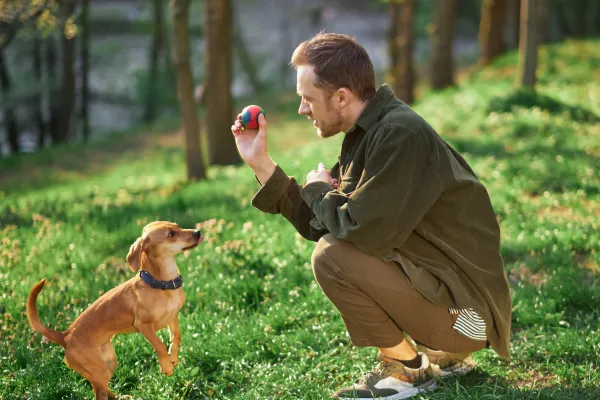
Dog Training Tips: Building a Strong Foundation with Your Furry Friend
Training your dog is an essential part of responsible pet ownership, a journey that not only teaches your furry friend valuable skills and commands but also strengthens your bond and creates a harmonious relationship. Effective dog training is about clear communication, building trust, and establishing a foundation for good behavior. It's about helping your dog to understand their place in your family and the world around them, empowering them to be well-behaved and confident companions.
Why Dog Training Matters:
Training your dog is not just about teaching them tricks; it's about creating a well-adjusted and happy companion who can navigate the world with confidence and ease.
Here are some of the key benefits of dog training:
Establishes Clear Communication: Training helps to establish clear communication between you and your dog. By teaching your dog to understand your cues and commands, you can effectively communicate your expectations and guide their behavior. This clear communication can prevent misunderstandings, reduce frustration, and strengthen your bond.
Builds Trust and Respect: Positive training methods, such as those that use rewards and praise, build trust and respect between you and your dog. When your dog knows that they will be treated with kindness and fairness during training, they are more likely to trust you and be willing to learn. This trust and respect form the foundation of a strong and healthy relationship.
Ensures Safety and Well-being: Training can help to ensure your dog's safety and well-being by teaching them essential skills, such as coming when called, walking politely on a leash, and avoiding dangerous situations. These skills can prevent accidents and injuries, and they can also make it easier to manage your dog in public or around other people and animals.
Prevents Behavioral Problems: Early and consistent training can help to prevent behavioral problems, such as excessive barking, chewing, digging, or aggression. By teaching your dog appropriate behaviors and providing them with clear boundaries, you can reduce the likelihood of these problems developing.
Enhances Socialization: Training can be a valuable tool for socialization, helping your dog to learn appropriate social skills and interact with other dogs and people in a positive way. This can make them more comfortable and confident in social situations, reducing the risk of fear or anxiety.
Increases Confidence: Training can boost your dog's confidence and self-esteem. As they learn new skills and master commands, they develop a sense of accomplishment and pride. This increased confidence can translate to other areas of their lives, making them more adaptable and resilient in new situations.
Provides Mental Stimulation: Training provides mental stimulation for your dog, keeping them engaged and preventing boredom. Learning new things challenges their mind and helps to keep them sharp. Mental stimulation is crucial for preventing boredom, anxiety, and destructive behaviors in dogs.
Strengthens the Bond: Training can strengthen the bond between you and your dog. Working together to achieve a common goal, celebrating successes, and overcoming challenges together can deepen your connection and create a more fulfilling relationship.
Effective Dog Training Techniques:
Positive Reinforcement: Positive reinforcement is a highly effective and humane approach to dog training. It involves rewarding desired behaviors with treats, praise, or toys to motivate your dog to repeat those behaviors. Positive reinforcement creates a positive association with training, making it more enjoyable for both you and your dog.
Consistency: Use consistent cues and commands to avoid confusion and ensure your dog understands what you expect. Dogs thrive on predictability, so using the same cues and commands consistently will help them to learn more quickly and reliably.
Patience: Be patient and understanding during the training process. It takes time and repetition for dogs to learn new skills. Avoid getting frustrated or punishing your dog for mistakes, as this can hinder their learning and damage your relationship.
Start Early: Begin training your puppy as early as possible to establish good habits and prevent behavioral problems. Puppies are highly receptive to learning during their early developmental stages, so starting training early can set them up for success.
Seek Professional Help if Needed: If you encounter challenges with training, consider consulting with a professional dog trainer. A certified dog trainer can assess your dog's behavior, provide personalized guidance, and help you to overcome any training obstacles.
Use a Variety of Rewards: Keep your dog engaged and motivated by using a variety of rewards, such as different types of treats, praise, toys, or even a favorite game. Varying the rewards can help to prevent your dog from getting bored or losing interest in training.
Short and Frequent Sessions: Keep training sessions short and frequent, especially for puppies or dogs with short attention spans. Several short sessions throughout the day are often more effective than one long session.
End on a Positive Note: Always end your training sessions on a positive note, even if your dog didn't master a particular skill or command. Reward them for their efforts and give them plenty of praise. This will help them to associate training with positive experiences and make them more eager to participate in future sessions.
Focus on the Bond: Remember that training is not just about teaching your dog commands; it's also about strengthening your bond and building a positive relationship. Make training a fun and rewarding experience for both of you.
Be Mindful of Your Dog's Body Language: Pay attention to your dog's body language during training sessions. If they seem stressed, anxious, or overwhelmed, take a break or adjust your approach. Avoid pushing your dog beyond their comfort level.
Using Merlin's Pet Therapy Wrap for Training:
For dogs that are easily distracted or anxious during training sessions, Merlin's Pet Therapy Wrap can be a helpful tool to keep them calm and focused. The gentle pressure of the wrap can reduce stress and promote relaxation, allowing your dog to learn more effectively.
Here's how Merlin's Pet Therapy Wrap can support dog training:
Reduces Anxiety: The gentle pressure of the wrap can help to calm your dog and reduce anxiety, which can be especially helpful for dogs who are new to training or who find the training environment stimulating or overwhelming.
Promotes Focus: By reducing anxiety and promoting relaxation, the wrap can help your dog to focus better during training sessions and respond more readily to cues and commands.
Provides Comfort: The wrap can provide a sense of security and comfort, which can be especially helpful for dogs who are sensitive to touch or who are feeling stressed or overwhelmed.
Creates a Positive Association: By pairing the wrap with positive training experiences, you can create a positive association with training and help your dog to feel more comfortable and confident during sessions.
Remember to introduce the wrap gradually and monitor your dog for any signs of discomfort.
Additional Tips for Effective Training:
Choose the Right Environment: Choose a quiet and distraction-free environment for training sessions, especially in the beginning. This will help your dog to focus on you and the training exercises.
Use Clear and Consistent Cues: Use clear and consistent cues and commands so your dog knows what you expect. Avoid using different words or gestures for the same command, as this can confuse your dog.
Reward Immediately: Reward your dog immediately after they perform the desired behavior to create a clear association between the behavior and the reward.
Be Patient and Positive: Be patient and positive throughout the training process. Avoid punishment or harsh methods, which can damage your relationship with your dog and create fear or anxiety.
End on a High Note: Always end your training sessions on a positive note, even if your dog didn't master a particular skill or command. Reward them for their efforts and give them plenty of praise.
Socialize Your Dog: Socialization is an important part of training. Expose your dog to a variety of people, places, and situations to help them develop confidence and social skills.
Consider Your Dog's Breed and Personality: Different breeds and individual dogs have different learning styles and temperaments. Adapt your training approach to suit your dog's individual needs and personality.
Training your dog is an ongoing process that requires patience, consistency, and a positive approach. By utilizing effective training techniques, incorporating tools like Merlin's Pet Therapy Wrap, and focusing on building a strong bond with your dog, you can create a well-behaved, confident, and happy companion who will enrich your life for years to come.
